Seasonal Eating/Winter
Why Eat Seasonally?
Seasonal eating is one of the core principles of Ayurveda, the ancient “Science of Life.” Ayurveda teaches that perfect health comes from aligning our diet and lifestyle with the natural rhythms of nature. When we follow these rhythms, our Doshas—Vata, Pitta, and Kapha—stay balanced, our Agni (digestive fire) remains strong, and we prevent the buildup of Ama (toxins).
Nature provides exactly what the body needs in each season. When we look at the natural world, we see three primary growing and harvest cycles that mirror the Ayurvedic seasons:
Spring (March–June)
Summer (July–October)
Winter (November–February)
Each season brings foods that support our Prakriti (unique constitution) and help maintain balance.
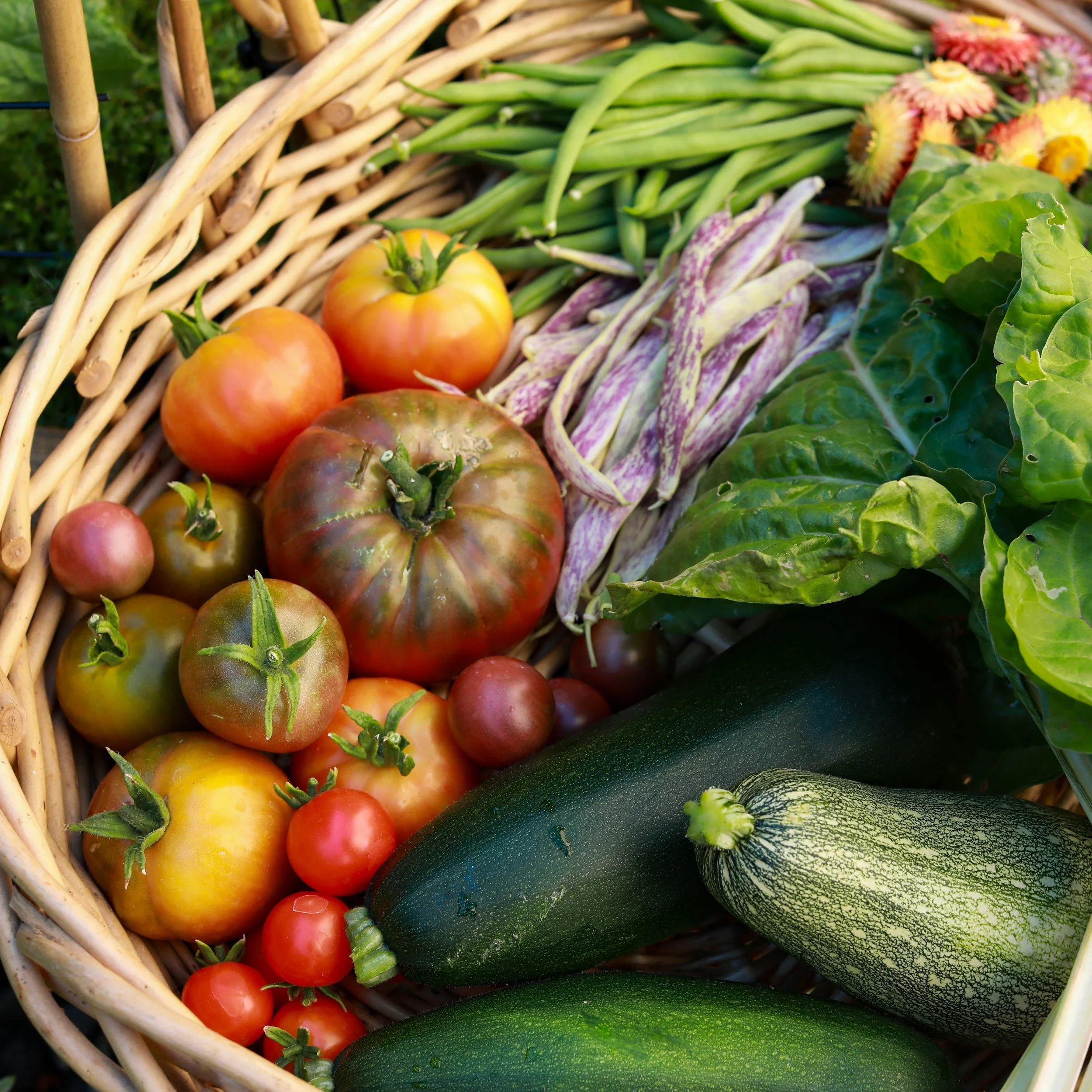
Seasonal Energetics and the Ayurvedic Diet
Winter (Vata Season)
Winter carries the qualities of Vata Dosha—cold, dry, light, and airy. To stay balanced, Ayurveda recommends foods with the opposite qualities: warm, moist, grounding, and oily.
Favor sweet, sour, and salty tastes to nourish and stabilize Vata.
Avoid cold drinks, raw foods, smoothies, and dry snacks that aggravate Vata.
Choose warming grains like amaranth, millet, buckwheat, brown rice, and oats.
Root vegetables, healthy fats, and warm cooked meals keep Agni strong.
If you eat meat, winter is the most supportive season for it.
Winter eating is all about warmth, moisture, and nourishment.
Spring (Kapha Season)
Spring is dominated by Kapha Dosha, which is heavy, cool, moist, and slow. After winter, the body naturally holds excess bulk, mucus, and stored energy.
Nature responds with foods that help lighten and cleanse:
Leafy bitter greens
Sprouts
Low‑fat, astringent vegetables
Light grains
These foods help dissolve winter heaviness and support liver cleansing. A low‑fat, warming, lightly spiced diet keeps Kapha balanced and prevents sluggish digestion.
Summer (Pitta Season)
Summer increases Pitta Dosha, which is hot, sharp, and intense. The body needs cooling, hydrating foods to balance heat and maintain steady Agni.
Nature provides:
High‑carbohydrate fruits
Hydrating vegetables
Cooling herbs
Light grains
These foods replenish energy and prevent overheating.
The Wisdom of Seasonal Eating
Eating seasonally is not just a philosophy—it has a measurable impact on digestion and overall health. Seasonal foods support the gut microbiome, helping beneficial microbes shift with the changing climate. When Agni is strong and Ama is low, the body naturally maintains balance.
Seasonal eating is one of the simplest ways to support:
Strong digestion
Balanced Doshas
Stable energy
Clear mind
Healthy immunity
It is Ayurveda’s way of reminding us that we are nature, and nature always provides what we need.
Winter Warming Spice Blend (Ayurvedic Agni Booster)
To keep Agni strong during the cold months, Ayurveda recommends warming spices that counter Vata’s cold, dry qualities.
Winter Spice Blend:

Winter Spice Blend
Keep this in an airtight container in your kitchen and use it in stir-fries, grains, and veggies.
1 tsp fenugreek seeds
1 Tbsp coriander seeds
1 Tbsp cumin seeds
1 Tbsp mustard seeds
¼ tsp ground clove
¼ tsp ground nutmeg
1 tsp ground cinnamon
1 tsp freshly ground black pepper
¼ tsp hing powder
¼ tsp turmeric powder
Store in an airtight container and use in grains, vegetables, or beans.
Always sauté spices in ghee for 30 seconds before adding them to your dish. This activates their medicinal qualities and enhances digestibility.
Seasonal Eating as an Ayurvedic Lifestyle
Seasonal eating is one of the most accessible ways to live Ayurveda daily. When we follow nature’s cycles, we support our Prakriti, strengthen Agni, reduce Ama, and keep Vata, Pitta, and Kapha in balance. It is a simple, intuitive practice that reconnects us with the rhythms of the earth—and with our own inner wisdom.