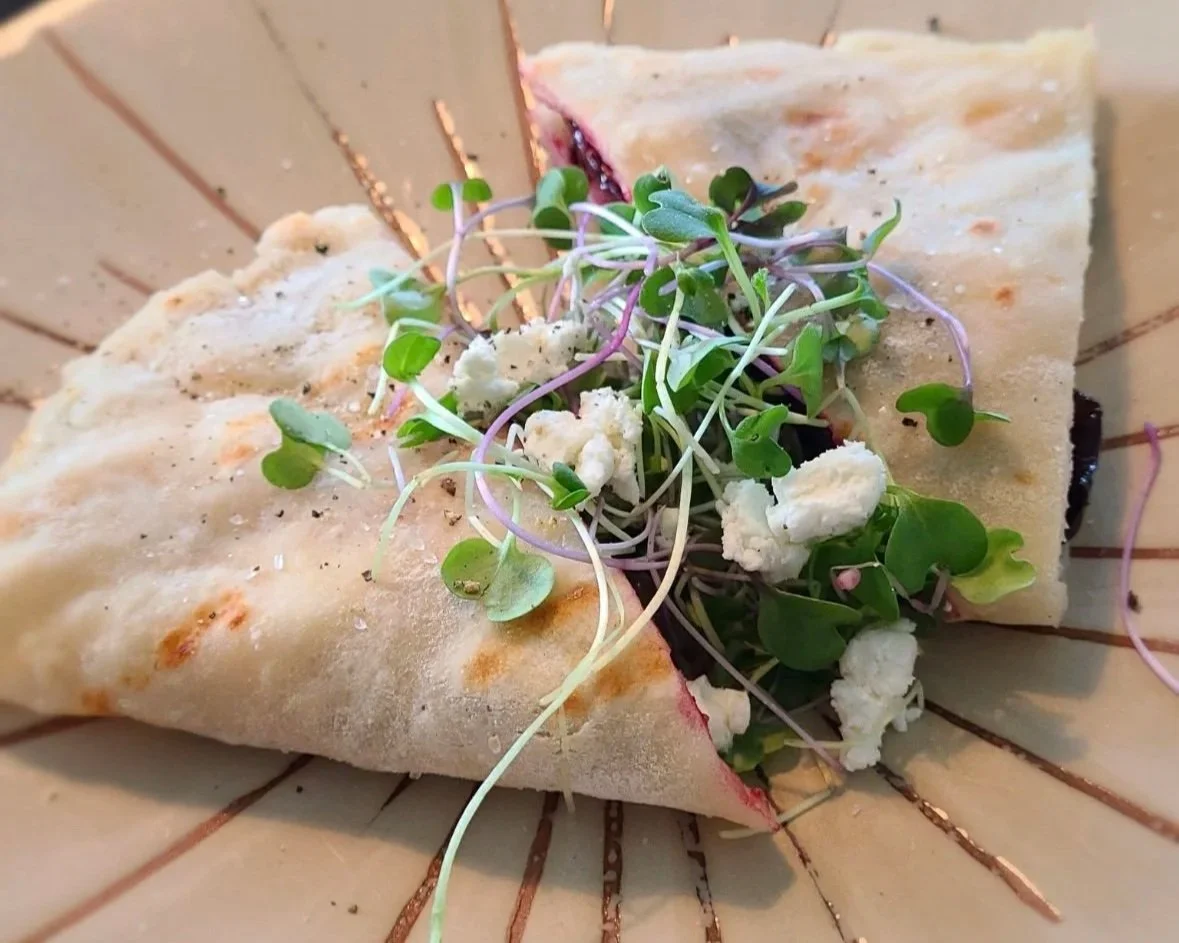
How the Dosa Originates in Southern Indian Tradition
Dosa is one of the oldest and most iconic foods of South India, especially in Tamil Nadu, Karnataka, Andhra Pradesh, and Kerala. It is traditionally made from a fermented batter of rice and urad dal, then cooked into a thin, crisp crepe on a hot griddle.
A few qualities define its cultural roots:
Daily nourishment — In many South Indian homes, dosa is a breakfast staple: simple, light, and sustaining.
Fermentation wisdom — The traditional batter is naturally fermented, making it easier to digest and rich in beneficial microbes.
Versatility — Dosas can be plain, stuffed, spiced, or adapted with different grains and lentils.
A food of comfort and ritual — It’s eaten with chutneys, sambar, and ghee, forming a complete, balanced meal.
Your dosa keeps the essential structure—thin, crepe-like, pan‑cooked—while shifting the ingredients to support Ayurvedic healing and seasonal cleansing.
How Red Lentils Make the Dosa Protein‑Rich and Nourishing
Red lentils (masoor dal) are one of Ayurveda’s most beloved plant proteins because they are:
Light and easy to digest, especially compared to heavier legumes
Rich in protein, supporting strength, tissue repair, and stable energy
Naturally balancing for all three doshas when cooked with spices
Quick‑cooking and gentle, making them ideal for those with sensitive digestion
In a dosa, red lentils create a batter that is:
Satisfying without heaviness
Grounding enough for Vata
Not overly heating for Pitta
Light enough to reduce Kapha
This makes the dosa a nourishing, sustaining base—perfect for breakfast or a light meal.
How Beets and Microgreens Add Cleansing, Spring‑Aligned Energetics
Spring is the season of Kapha—cool, damp, heavy, and slow. The body naturally wants to release stagnation, mucus, and winter accumulation. Beets and microgreens support this beautifully.
Beets
Beets are deeply cleansing because they are:
Blood‑purifying, supporting liver and lymphatic detoxification
Rich in natural fiber, helping sweep out the digestive tract
Slightly sweet and grounding, which keeps Vata calm during cleansing
Circulation‑enhancing, helping move sluggish Kapha energy
Their vibrant color reflects their action: they move, cleanse, and nourish simultaneously.
Microgreens
Microgreens bring the upward, awakening energy of spring:
Bitter and astringent tastes help cut through heaviness and mucus
Chlorophyll‑rich greens support liver function and detoxification
Light, airy qualities counter Kapha’s density
Fresh prana enhances clarity and mental brightness
Together, beets and microgreens turn the dosa into a cleansing, revitalizing meal that still feels grounding and satisfying.
How This Dosa Becomes a Spring Detox Dish
When you combine these elements, the dosa becomes:
Protein‑rich and stabilizing from the red lentils
Cleansing and circulatory‑moving from the beets
Light, fresh, and prana‑rich from the microgreens
Seasonally aligned with spring’s need for upward, clearing, awakening foods
It’s a perfect example of how Ayurvedic cooking can be both rooted in tradition and responsive to the body’s seasonal needs.
Hello, World!
Red lentil Dosa with Beets and Microgreens
Red lentils (masoor dal) are one of Ayurveda’s most beloved plant proteins making this a protein-rich meal
Ingredients
- 1 cup red lentils soaked for 4 hrs.
- 1/2½ cup water
- 1/2½ cup cilantro
- 1 1/2 tablespoons tahini
- 1/4¼ tsp coriander
- 1/4¼ tsp cumin
- Toasted sesame oil for frying
- 2 large Beets sliced thin
- Lemon
- A bunch of microgreens
- Goat cheese ( Optional )
Instructions
- Dosa:
- Blend all ingredients except the sesame oil in a blender until you have a pancake-like consistency.
- Heat the toasted sesame oil in a pan. When it is hot, add the batter and flatten with a spoon until it is thin and circular. Make sure you use a non-stick pan and plenty of oil so it doesn’t stick. Cook on each side for 3 min. or until golden brown.
- Beets:
- Steam the Beets and drizzle with a squirt of lemon juice. When tender, transfer to half of the dosa. Fold the dosa in half and top with goat cheese and microgreens.
Nutrition Facts
Calories
608Fat
18 gSat. Fat
4 gCarbs
83 gFiber
36 gNet carbs
47 gSugar
21 gProtein
33 gSodium
287 mgCholesterol
7 mg