Amaranth Porridge
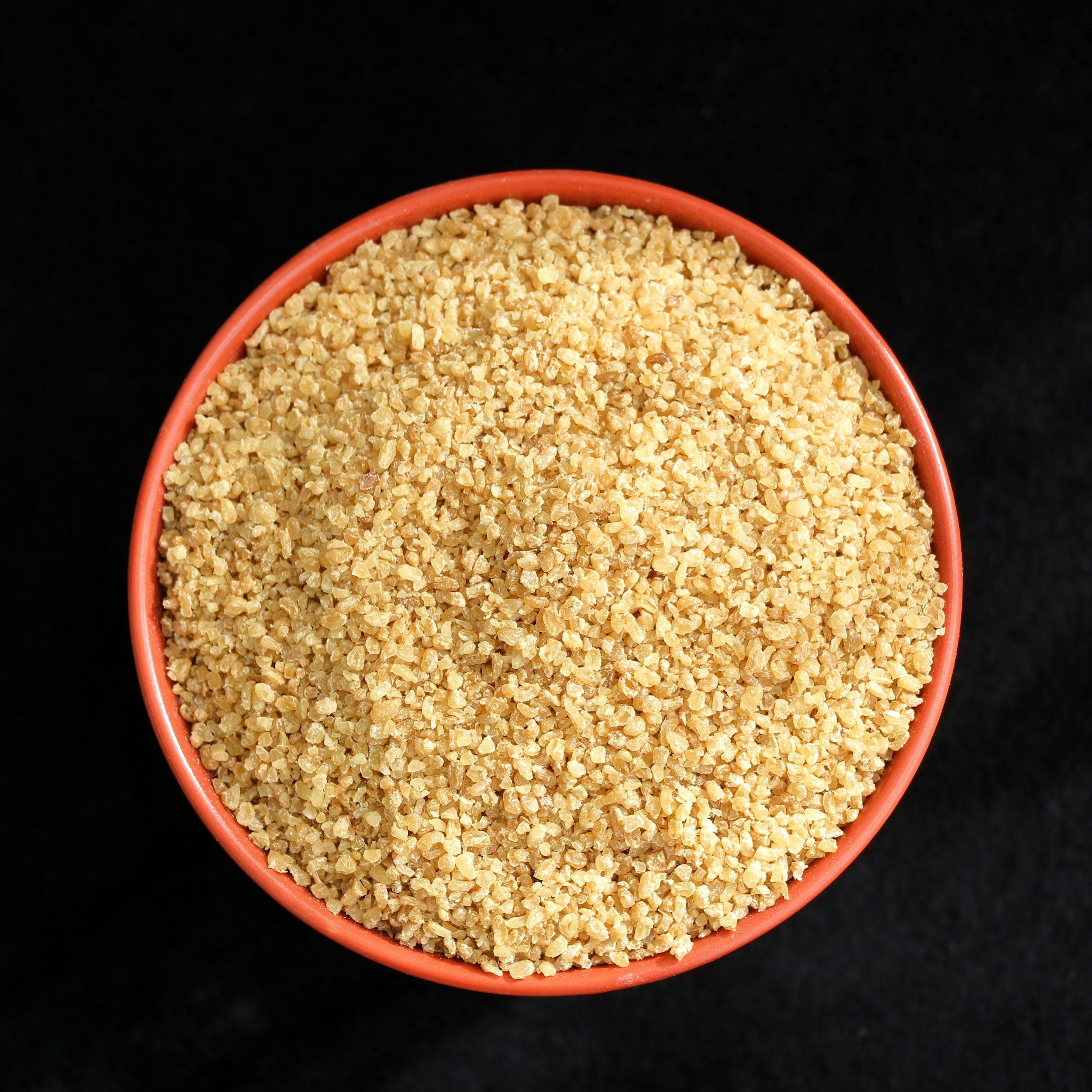
Amaranth fits spring in Ayurveda because its very nature mirrors what the season is asking of the body: lightness, dryness, and movement. It’s a grain that behaves more like a seed—airy, delicate, and easy to digest—making it a perfect antidote to Kapha’s heavy, wet, slow qualities.
Amaranth’s Qualities in Ayurveda
Amaranth carries the laghu (light) and ruksha (dry) gunas, which are exactly the opposite of Kapha’s guru (heavy) and snigdha (oily) nature. These qualities matter because spring is the time when Kapha naturally rises in the body, creating:
Sluggish digestion
Water retention
Mucus accumulation
Lethargy or mental dullness
A grain that is light, dry, and easy to digest helps shift the body out of that stuck, slow state.
Why Amaranth Supports Spring Detox
Amaranth becomes a cleansing ally in spring for several reasons:
It digests quickly, preventing the heaviness or post‑meal fog Kapha types often feel.
Its dryness helps absorb excess moisture, countering the damp, muddy quality of early spring.
Its lightness encourages movement, supporting lymphatic flow and reducing stagnation.
It’s naturally gluten‑free and gentle, reducing the burden on an already sluggish digestive fire.
Its subtle astringency helps tone tissues, which is especially helpful when Kapha feels puffy or congested.
In Ayurveda, detoxification isn’t about deprivation—it’s about choosing foods whose qualities help the body release what it no longer needs. Amaranth does this beautifully.
Perfect for Moving Stagnant Kapha
When Kapha accumulates, it tends to settle in the chest, sinuses, joints, and digestive tract. Amaranth’s qualities help mobilize that stagnation:
Lightness lifts the heaviness of Kapha.
Dryness reduces mucus and water retention.
Warm spices pair well with it, making it even more Kapha‑reducing.
Its small, airy grains cook into a fluffy texture, bringing a sense of upward movement—exactly what spring energy embodies.
It’s the kind of grain that feels like a gentle breeze through the system, clearing out the dampness of winter and making space for renewal.
Ingredients:
1 cup of amaranth grain soaked overnight.
4 cups water
1 tbsp ghee
1/2 tsp cumin
1/2 tsp mustard seeds
1/2 inch fresh ginger
1/2 tsp salt
1/2 tsp lemon
1 tsp dry turmeric
1 tbsp ghee
Handful of Pumpkin seeds
Heat the ghee and spices together in a pan. When mustard seeds start popping, add the water, amaranth, and salt. Bring to a boil, then simmer for 25-30 minutes until creamy and thick. Add ghee and pumpkin seeds.
Serves 2