Amaranth Porridge - Breakfast days 1-3
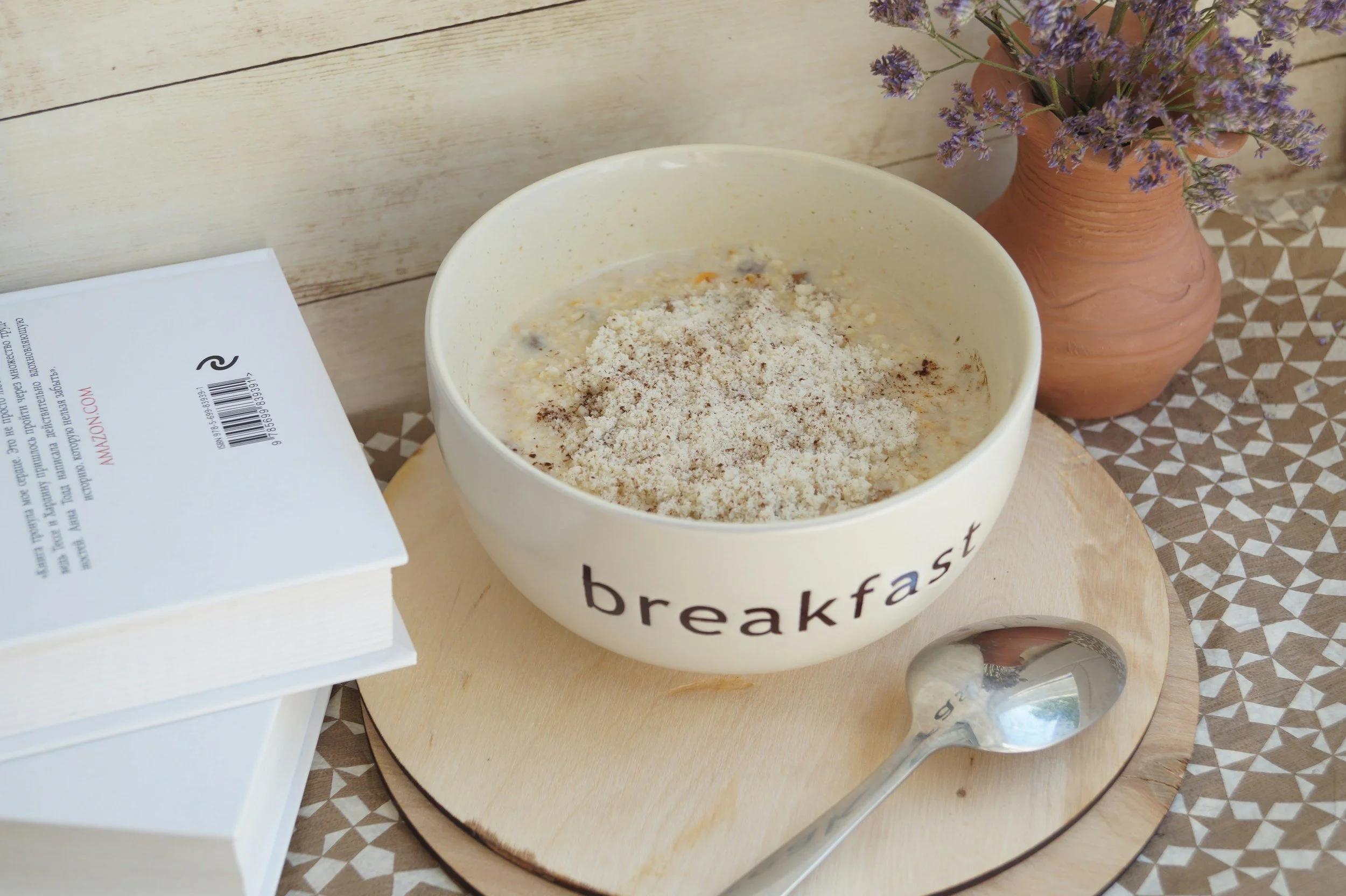
Makes 3 servings. Reheat each morning in a saucepan. No microwave, this takes the Pana out of the food.
Ingredients
3 cups amaranth grain, soaked overnight
12 cups water
3 tbsp ghee
1 ½ tsp cumin
1 ½ tsp mustard seeds(omit if Pitta is high)
1 ½ inches fresh ginger, minced (omit if Pitta is high)
1 ½ tsp salt
1 ½ tsp lemon juice
3 tsp dry turmeric
3 tbsp ghee (to finish)
3 handfuls of pumpkin seeds
Optional shredded coconut flakes or soaked golden raisins.
Method
Heat 3 tbsp ghee in a large pot over medium heat.
Add cumin, mustard seeds, and ginger. Sauté until fragrant and the mustard seeds begin to pop.
Add the water, soaked amaranth, and salt.
Bring to a boil, then reduce heat and simmer 25–30 minutes, stirring occasionally, until creamy and thick.
Stir in 3 tbsp ghee to finish.
Top each serving with a handful of pumpkin seeds and a splash of lemon juice.
*or optional coconut flakes or soaked golden raisins.
Kapha Cleansing Kitchari- Lunch/Dinner Day 1-3
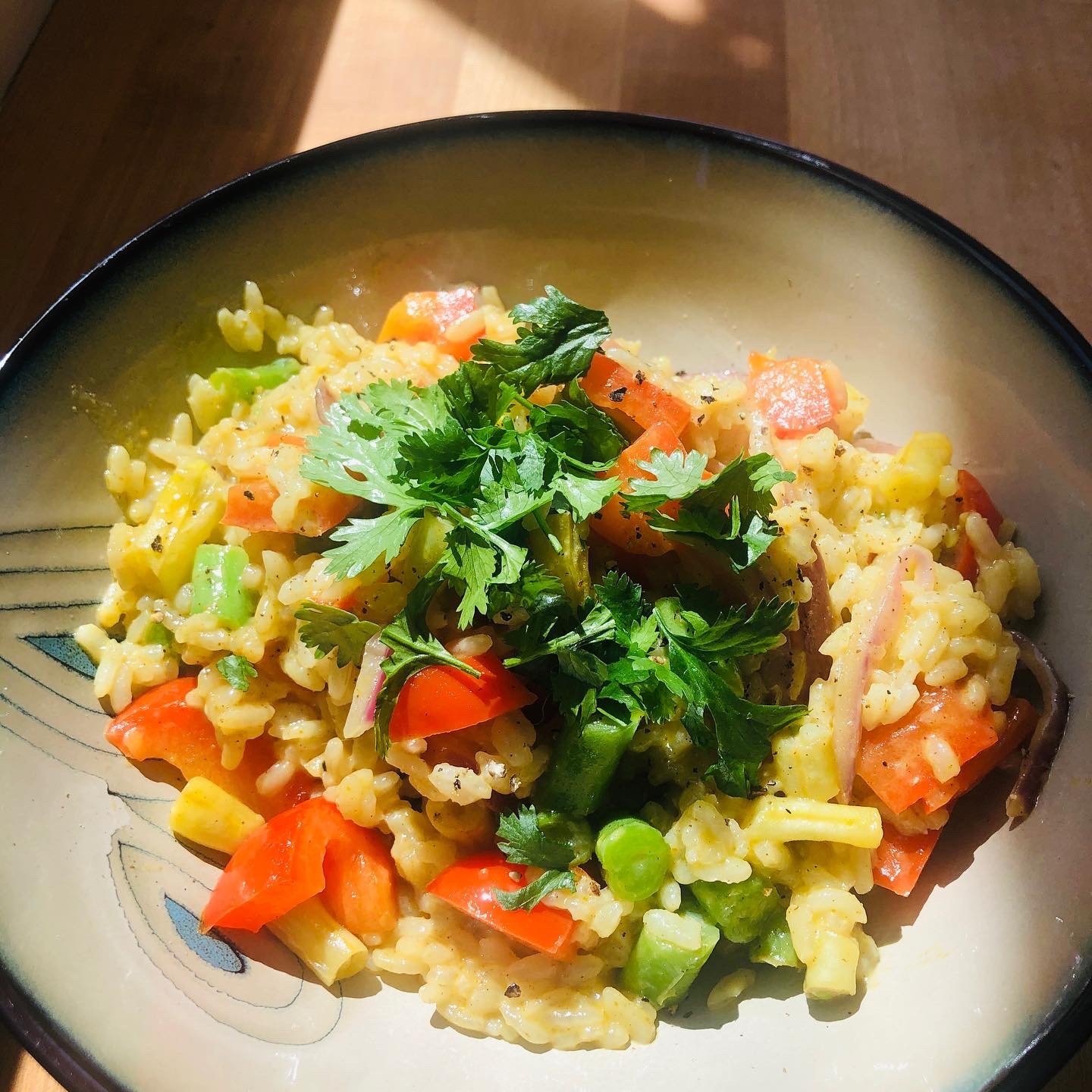
How to Use This Kitchari Recipe for Days 1–3
This kitchari recipe is intentionally sized to make 2 servings per day. You will prepare one fresh batch each morning (or the night before), and it will provide:
1 serving for lunch
1 serving for dinner
You will repeat this same recipe each day for the first 3 days of your cleanse so that your meals stay warm, simple, and easy to digest while your system resets.
Daily Rhythm
Morning: Cook one batch of the 2‑serving kitchari recipe
Lunch: Eat 1 serving
Dinner: Eat the second serving
Next day: Make a fresh batch again
This ensures the food is always fresh, prana‑rich, and supportive of your digestive reset.
Kitchari Cleanse for Lunch and Dinner days 1-3.
Kitchari (also called khichadi, kichari or khicharee) is an
Ayurvedic superfood, and the staple of Cleansing. A simple, porridge-like blend of beans
and rice, kitchari is often referred to as the ‘Indian comfort
food.
Ingredients
½1/2 cup yellow split mung beans
¼ 1/4 cup basmati rice
1 1/2 teaspoons ghee or coconut oil
1/2½ teaspoon cumin seeds
½1/2 teaspoon mustard seeds(omit for Pitta imbalance)
1/2½ teaspoon turmeric powder
1/4¼ teaspoon ground coriander
¼1/4 teaspoon ground cumin
1/4¼ teaspoon ground ginger
1/8 teaspoon ground cinnamon
1/8 teaspoon ground cloves
1/8 teaspoon ground black pepper
1/8 teaspoon ground cardamom
½1 small carrot, diced
½1 small zucchini, diced
½2 scallions, diced
½1 cup chopped spinach(use kale if Pitta imbalance)
2 cups water(add more if you prefer it soupier)
Salt to taste(Himalayan recommended)
Fresh cilantro for garnish (optional) and a squirt of lemon or lime
Instructions
Rinse mung beans and rice separately until water runs clear. Soak 20–30 minutes, then drain.
Warm ghee or coconut oil in a pot over medium heat. Add cumin and mustard seeds; sauté until fragrant and popping.
Add turmeric, coriander, cumin, ginger, cinnamon, cloves, black pepper, and cardamom. Stir to bloom the spices.
Add carrot, zucchini, and scallion; sauté 2–3 minutes.
Add soaked mung beans and rice; stir to coat in spices.
Pour in water, bring to a boil, then reduce heat. Cover and simmer 25–30 minutes, until soft and porridge‑like.
Stir in spinach (or kale) and cook 3–5 minutes until wilted.
Salt to taste and garnish with cilantro if desired.